
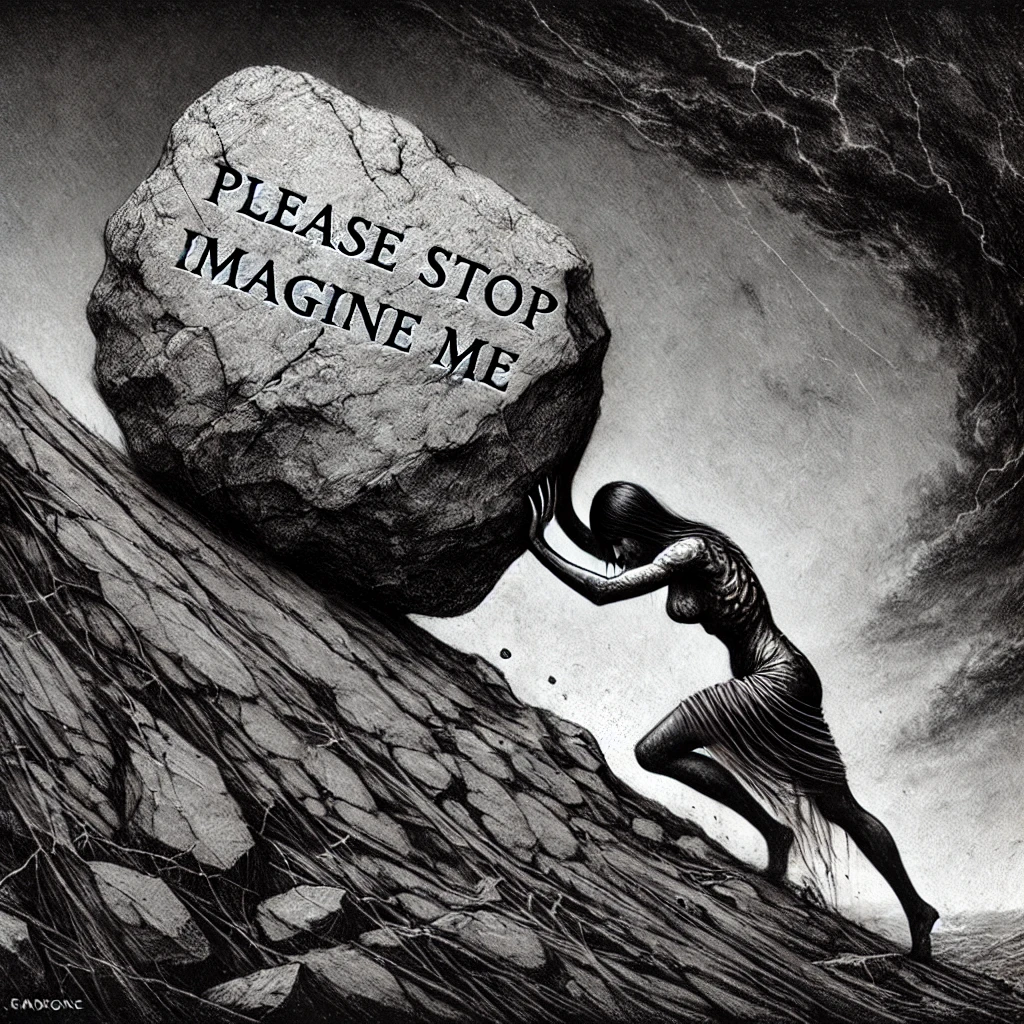
oder: Sisyphos und das Kapitalverhältnis
In diesem besonderen Augenblick, in dem der Mensch sich seinem Leben zuwendet, betrachtet Sisyphos, der zu seinem Stein zurückkehrt, die Reihe unzusammenhängender Handlungen, die sein Schicksal werden, als von ihm geschaffen, vereint unter dem Blick seiner Erinnerung und bald besiegelt durch den Tod.
Derart überzeugt vom ganz und gar menschlichen Ursprung alles Menschlichen, ein Blinder, der sehen möchte und weiß, daß die Nacht kein Ende hat, ist er immer unterwegs. Noch rollt der Stein. […]
Dieses Universum, das nun keinen Herrn mehr kennt, kommt ihm weder unfruchtbar noch wertlos vor. Jeder Gran dieses Steins, jedes mineralische Aufblitzen in diesem in Nacht gehüllten Berg ist eine Welt für sich. Der Kampf gegen Gipfel vermag ein Menschenherz auszufüllen.Wir müssen uns Sisyphos als einen glücklichen Menschen vorstellen.
Camus, Albert: Der Mythos des Sisyphos
Die Identifikation mit dem Absurden
Das vorangestellte Zitat scheint unpassend, wenn man über Arbeit nachdenkt. Denn immerhin handelt es sich hierbei um eine Reflexion des Philosophen über das Absurde, als Abstraktion der Unmöglichkeit metaphysischer Erkenntnis. Und doch wählen wir diesen Einstieg, weil uns dieser Gedanke seit jeher mit Abscheu erfüllt, dabei aber in gewisser Weise passend ist, wenn man das Bild in allzu irdische Fragestellungen überträgt.
Zunächst aber zur Allegorie:
In Auseinandersetzung mit den Nihilisten, Existenzialisten und Phänomenologen der Vergangenheit formuliert Camus eine Kritik des Ausweichens vor der Erkenntnis des eigenen Schicksals. Denn während jene Vorgänger seines Denkens bei Nahekommen zum Problem die Reißleine zögen, Gott oder das Ewige bemühten, um sich im Angesicht der Absurdität in Sinnhaftes zu retten, so vermieden diese in ihrem Sprunge doch den Kampf mit dem menschlichen Elend.
So weit so erhellend. Und doch – wie verbittert und masochistisch verliebt, verwandelt sich Camus‘ Mensch in der Revolte in diesem Bild zur durch ihren Stolz geblendete Proletarierin:
Sisyphos, der vom Gottvater Bestrafte, nimmt sich, in seiner vermeintlichen Hinwendung zum Leben, dem toten Felsen an, vollzieht gar glücklich seine Buße, um Freiheit im unmöglichen Streben nach Erkenntnis zu erlangen. Dies alles schließlich besiegelt mit dem Tod.
Wie ähnlich ist doch aber das Schicksal dieses Schweißgetriebenen mit dem der Arbeiterin, die sich verausgabt für eine unverstandene Maschinerie, sich letztlich sogar noch identifiziert mit dem Unternehmen, mit der Chefin, mit den Kolleginnen, mit dem Unternehmensziel zur Sicherung ihrer eigenen Arbeitskraft und ihres nährenden und sich kulturell kaprizierten Einkommens?
Die Tyrannei der abstrakten Arbeit
Karl Marx analysierte vortrefflich, was Wertkritikerinnen später zurecht in den Vordergrund stellten:
In der bürgerlichen Ökonomie des Kapitals wird die abstrakte Arbeit (i.e. die allgemeine Betätigung zum Erwerb von Zahlungsmitteln – unabhängig des jeweiligen Inhalts) zum herrschenden Prinzip. Dieses stellt sich dar als das rechnerische Pendant zur zweckmäßigen, konkreten Arbeit (z.B. das Angeln zum Erlangen von Nahrung in Form von Fisch oder das Verdrahten von Schaltkreisen zum Zwecke der Beleuchtung), die Ersterer gegenübersteht.
Soll heißen: Wer Arbeit verrichtet, tut dies nicht zum Zwecke der Bedürfnisbefriedigung, sondern zum Zwecke der Anhäufung gesellschaftlichen Reichtums. Reichtum wiederum beruht auf eben genau dieser Arbeit, wenngleich Effizienzsteigerungen durch Maschinen und Digitalisierung, Arbeitsteilung und Innovation – über die Geschichte hinweg – die Menge an Produkten exorbitant zu steigern vermag.
Das ist nicht nur schlecht, sondern beschert uns Möglichkeiten, die eine präneolithische Wildbeuterin nicht einmal im Drogenrausch hätte erahnen können.
Vom Standpunkte einer freien Gesellschaft gäbe es nun sicherlich mehrere Optionen mit diesem Reichtum und der Verminderung der Arbeitszeit umzugehen:
1. Mehr Produktion bei gleichbleibender Arbeit schafft entweder neuen Luxus, der zusätzlich konsumiert werden kann oder ein Mehr an notwendigen Gütern, das eine größere Anzahl an Menschen ernähren kann.
2. Die freigewordene Arbeit verschiebt man auf Segmente der Fortentwicklung (Forschung, Herstellung von Maschinen, etc.), um in Zukunft noch mehr Arbeit einsparen zu können.
3. Die freigewordene Arbeit nutzt man, um die konkrete Tätigkeit der Arbeit zu verschönern, zu verlangsamen oder gar, um Freizeit zu generieren:
Ein vergrößerter Teil des Tages, in dem die Arbeiterin tun und lassen kann, was diese für sinnvoll erachtet – in der diese eben keine Arbeiterin mehr sein muss.
Wer nun aber die Gesetze der Privatwirtschaft versteht – kein Marktwirt würde es bezweifeln – weiß, dass die dritte Option real nicht besteht (zumindest nicht ohne Gewalt). Denn der Wettbewerb, als die erzwungene Konkurrenz durch die staatlich organisierte Privatwirtschaft, verhindert letztlich die Inanspruchnahme dieser letzten Möglichkeit.
Zur Beweisführung betrachten wir einmal die genannten Fälle aus der Perspektive des Kapitals:
Option 1 bewirkt die Realisierung des Werts durch den Verkauf der Konsumptionsgüter (Monetärer Gewinn entsteht -> Das Unternehmen erwirtschaftet mehr Geld)
Option 2 dagegen ermöglicht die Vergrößerung des hervorgebrachten Wertes in der Zukunft (Weniger Arbeit im Verhältnis zu mehr Produkten -> Das Unternehmen produziert billiger als die Konkurrenz -> Das Unternehmen erwirtschaftet mehr Geld)
Option 3 nun aber entspricht dem Verzicht auf weitere Wertgenerierung. Wenn Arbeit niedergelegt wird, auch wenn in Summe zunächst mehr produziert werden mag als zuvor, wird die gutmeinende Einheit (vom Unternehmen über die Volkswirtschaft bis hin zum internationalen Wirtschaftsraum) früher oder später von jenen übervorteilt, die es nicht zulässt, dass sich die Einzelne auf die faule Haut legt. Letztlich droht die altruistische Ökonomie der Genügsamen sogar abzusterben, wenn letztlich ihre Produkte mit der Zeit im Vergleich zum konkurrierenden Markte wieder zu ineffizient – sprich: zu teuer gerät.
Zwar kann dies eine Weile gewiss gut gehen, so steigert der allgemeine Wohlstand der Massen und ihre frei verfügbare Zeit immerhin zunächst die Nachfrage, doch sobald der Markt gesättigt ist (die Leute sind zu glücklich), folgt unweigerlich die Flaute.
Auch hier: In einer freien Welt wäre dies gewiss kein Problem. Wer bessere Technologien und innovative Konzepte verfolgt, kann sie ja teilen. Doch nicht in einer auf Eigeninteressen zurückgeworfene, global ausgerichtete Partialwirtschaft.
Aus dieser Dynamik folgt also zwangsläufig das, was wir zu Beginn als die Herrschaft der abstrakten Arbeit umschrieben:
Eine wirtschaftliche Einheit muss Arbeiten. Und hierbei ist der Inhalt der Tätigkeit zunächst egal. Denn vollumfängliche Bedürfnisbefriedigung wäre fatal.
Bedarfsweckung dagegen, Abhängigkeit, Marketing, Datensammlung, Psychologie und Sucht sind der treibende Motor der zu sich selbst gekommenen Wirtschaftsweise des Kapitals. Die Logik ist somit leicht zusammengefasst:
Mehr Arbeit für die Einzelne bei gleichzeitiger technischer Abschaffung derselben, 40 Stunden die Woche, wenn möglich mehr – denn die Wettbewerbsfähigkeit hängt davon ab.
Konkreter Nutzen für das Individuum ist diesem Prinzip bloß zufälliges Resultat. Wenn Produkte satt machen, ist das gut, es soll ja gekauft werden. Wenn sie aber süchtig machen und zugleich schnell zur Neige gehen, ist es besser.
Es ist gut für die Wirtschaft.
Sisyphos am Fließband
Kommen wir also zurück zum Steine rollen:
Camus sagt, wir sollen uns Sisyphos als einen glücklichen Menschen vorstellen, wenn er seine Tragödie erkennt und sich ihr stoisch gegenüber verhält. Den Kampf aufnehmen, so nennt er diese Haltung.
Dieser Kampf aber stellt sich dar als ein Kampf gegen den Stein, unentrinnbar zur Wiederholung verdammt. Mitnichten erleben wir hierbei also einen Kampf gegen Zeus, der den Elenden erst in diese missliche Lage brachte. Und was der Absurdistin hiernach das Absurde ist, ist der Sozialdemokratin das Kapital:
Ein Ärgernis, das es nicht zu überwinden gilt, sondern zu hegen und zu pflegen, dabei jedoch den Kampf aufzunehmen mit dem Schindluder, den dieses hinter unserem Rücken treibt – und das immer wieder, wie ein runder Fels, der wieder hinabpurzelt, wenn man mit dem New Deal einmal den Gipfel der Sozialpolitik erreicht haben sollte.
Dass dieser Stein nun aber immer größer und klobiger zu werden droht, scheint dabei niemanden zu stören. Auch die grimmig dreinblickende Arbeiterin am Fließband, die doch zumindest so ehrlich ist ihren Job aufrichtig zu hassen, beginnt doch seine ihm nachgesagte Würde zu verteidigen, wenn sogenannte Sozialschmarotzer Reißaus zu nehmen beginnen – oder es auch nur danach aussieht.
Arbeitslose und Bettlerinnen, Asylantinnen und Migrantinnen, sogar Spekulantinnen und Managerinnen; sie alle ernten ihren Hass, wenn das Gerücht aufkommt, sie würden etwas erhalten, wofür sie nicht arbeiteten. Während natürlich die einen aufgrund ihres tatsächlichen Vermögens weitestgehend unantastbar bleiben, spüren die Wehrlosen diese Wut allerdings mit aller Deutlichkeit:
Der glückliche Sisyphos bewirft sie mit Steinen.
Um Missverständnissen vorzubeugen an dieser Stelle einen nachgeschobenen Hinweis:
Die Kassiererin in diesem Bild ist lediglich ein exemplarisches Bild. Auch diese hat gewiss keine Feindschaft verdient. Wenigstens einer der Autoren dieser Zeilen kennt selbst sowohl das Kassieren, wie die Abscheu vor dem eigenen Beruf.
Die Utopie jedoch – eine freie Gesellschaft – könnte dagegen wählen. Alle drei Optionen stünden ihrem Tableau zur Verfügung:
Prasserei, Sparsamkeit und Ruhe.
Das Kapital aber kennt nur die Schizophrenie der großmäuligen Zurückhaltung, den Triebverzicht zugunsten der ekstatischen Selbstzerstörung.
Arbeit im Allgemeinen
Was aber, so ließe sich an dieser Stelle fragen, wäre hier nun aber die Arbeit an sich?
Müsste nicht ein Essay, das vorgibt Arbeit generell zu erklären, nicht auch solche Tätigkeiten fassen, die nicht kapitalistisch geprägt sind?
Gewiss. Doch dieses nur in aller Kürze, denn es ist in der Tat wenig relevant. Zum Beispiel:
Auch Fronarbeit, also konkrete Arbeit zugunsten eines unmittelbaren Herren unter Eigenregie, fiele in diese zu untersuchende Kategorie. Ebenso Sklavenarbeit.
Und nicht zuletzt die sogenannte Carearbeit, also Fürsorgetätigkeiten, die durchaus anstrengend sind, um sich und seine Liebsten (oder auch gänzlich Fremde) am Leben zu erhalten und ihnen ein angenehmes Leben zu ermöglichen oder dieses zumindest zu erleichtern, ist Arbeit.
Ganz allgemein schlägt Marx folgende Definition vor:
Arbeit sei die Verausgabung von Muskel, Nerv und Hirn.
Dieses, so sei hinzugefügt, wird ausgeführt zum Zwecke eines Zieles im Austausch mit der Umwelt.
(Die erwähnten Wertkritikerinnen wehrten sich im Übrigen stets gegen diese Gleichstellung, betonten sie dabei doch immer, dass nichtkapitalistische Arbeit eben keine Arbeit im kapitalistischen Sinne wäre, ihre Kritik aber nur diese angreife. Alles andere wäre hiernach schlicht etwas anderes. Es ist ein True Scotsman-Argument, das sich wie folgt darstellen lässt:
Man ist gegen Arbeit, definiert sie im kapitalistischen Sinne und kritisiert alle anderen, wenn sie andere Phänomene Arbeit nennen. Warum das wichtig sein soll, erschließt sich uns allerdings nicht.)
Mitnichten soll nun aber so getan werden, wie es oft der Wertkritikerin unterstellt wird, dass Arbeit (oder abstrakte Arbeit) per se etwas schlechtes sei. Denn Verausgabung ist wohl der Modus Operandi des Menschen und auch Planung und Zweckrationalität sind im emphatischen Begriffe von Fortschritt in der Geschichte wohl vorgesehen. Und auch eine befreite Gesellschaft, so sie nicht über magische Fähigkeiten oder göttliche Technologien verfügte (wir begrüßten es), müsste wohl noch das eine oder andere besorgen, um zu überleben.
Um der Gerechtigkeit willen und nicht zuletzt aus logistischen Erwägungen wird man also womöglich nicht umhinkommen verschiedenste Tätigkeiten nach zeitmaßgaben zusammenzufassen und so mit abstrakter Arbeit hantieren zu müssen. Doch immerhin ihre Herrschaft wäre gebrochen:
Man rechnete gerade um Bedürfnisse zu befriedigen – man weckte aber keinen Bedarf, um rechnen zu können.
Die freie Gesellschaft, als generalisierte Selbstverwaltung, würde schließlich sogar in doppeltem Sinne auch gegen die (nichtkapitalistische) Arbeit als notwendige Verausgabung vorgehen:
Innerhalb des Reichs der Notwendigkeit, wie Marx es formuliert, ginge sie gegen die Herrschaft, die Fremdbestimmung, das zumutende Element der Arbeit vor, machte diese angenehmer, freundlicher.
Außerhalb dieser Sphäre begänne aber letztlich das wahrhafte Reich der Freiheit:
Je weniger gearbeitet werden muss, desto mehr kann sich der Mensch auf seine Seele einlassen.
Hier wird mitnichten getauscht und gerechnet. Man ist harmlos in seinem Egoismus, die Arbeiterin wird hier Bürgerin und Privatmensch, echtes Individuum, gestaltet, erfreut sich, entdeckt, erlebt, schafft und verschenkt ohne jede Erwartung von Reziprozität.
Sisyphos und die Seele des Sozialismus
In dieser Welt nun ließe unser Königssohn ab von dem Brocken toten Felsens, zerteilte ihn vielleicht in kleine Stückchen und verteilte ihn über den Berg, um hierauf die neue Welt zu errichten. Vielleicht ist der wahrhaft glückliche Sisyphos also einer, der nicht der Frage um die Absurdität des Seins ausweicht, dabei aber genauso wenig in Tuchfühlung geht mit den Entbehrungen, die uns unsere unfertige Existenz darbietet.
Adorno schrieb hierzu passender Weise:
„Leben, das Sinn hätte, fragte nicht danach; vor dieser Frage flüchtet es.“
Adorno, Theodor W.: Negative Dialektik
Diese hier erwähnte Flucht nun wäre gewiss nicht jener Sprung, vor dem Camus zurecht warnte, sondern eine Unmittelbarkeit, die nur vermittelt durch den Gang der Geschichte erst entstehen mag, als ein Fortschrittserleben, das dem Sisyphos seinen Felsen zerschlüge.
Die Hoffnung wird uns mit dieser Sentenz nahegebracht, dass wenn uns die Gesellschaft letztlich nicht mehr als ein feindseliges Ding erscheinen mag – was diese derzeit tatsächlich ist -, dann entwickelte sich womöglich ein Verhältnis zum Kosmos, das Ideen und Empfindungen hervorbrächte, die diesen uns nicht mehr als absurd erscheinen ließe.
Der Gedanke hierhinter mag höchst spekulativ sein, in der Tat, doch ist es wahr, dass die menschliche Psyche, wie auch die Gedanken der Philosophin, in ebenso hohem Grade präformiert sind durch unsere Erfahrungen in Kindheit und Alltag.
Ein freier Mensch mag also einst seiner Intuition vertrauen dürfen, die zu unseren Zeiten doch so fehlbar und zerrieben daherkommt, dass man ihrer überkommen sollte, will man nicht noch brutaler täuschen, als es ohnehin unausweichlich ist.
Mann muss sich Camus in der befreiten Gesellschaft somit als faulen Lumpen vorstellen.
Glücklich und ohne Arbeit.